
Kitchens, baths, basements, exteriors
Asbestos Removal in Huntington That Gets the Remodel Back to Work
Confirmed material out, room sealed the whole time, air tested at the end. Then your contractor picks up right where they stopped.
The Remodel Stopped. Here Is How It Starts Again.
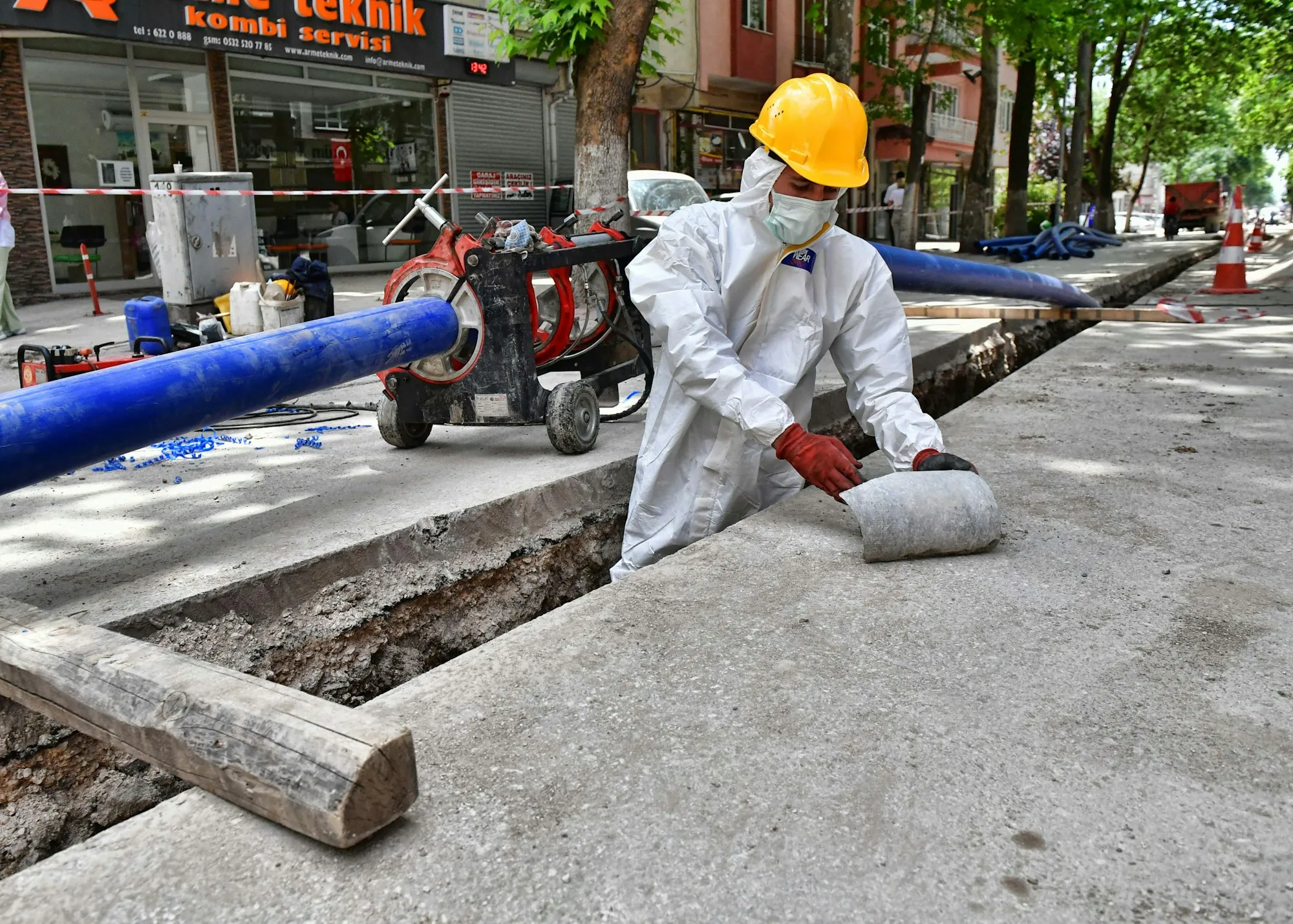
It usually goes like this. The old kitchen floor comes up and there is a layer of dark square tile underneath, glued down with black adhesive. Or the bathroom wall opens and a pipe elbow wrapped in chalky white insulation is staring back. The contractor stops, which is the right call, and now everyone is waiting. Removal is how the waiting ends. First the material is sampled and confirmed by a lab, because plenty of old tile is just old tile. If it is positive, we write up exactly what is coming out and from which rooms. Then the work area gets sealed: sheeting across the floor and up the walls, each register and doorway taped, a HEPA machine pulling air inward so nothing drifts toward the bedrooms. The material is soaked, worked loose, packed into labeled bags and carried out to a disposal site permitted to take it. After a HEPA vacuum and a wet wipe of every surface, an independent tester checks the air. Pass, and the room is ready for the tile setter. Common finds around here include pipe and boiler wrap, vinyl tile and mastic, popcorn ceilings, joint compound, cement siding, old roof shingles and duct wrap.
Part of Every Removal
The size changes job to job. These pieces do not.
Lab results first
Only material an accredited lab confirms goes on the removal list. No guessing, no padding.
Notices filed
Larger jobs need advance notice to the state. We prepare it and send it in before work starts.
Room sealed off
Poly on floors and walls, taped registers and doors, and a clean path in and out for the crew.
Air pulled inward
A HEPA machine holds the work area at negative pressure, so any leak runs inward, never toward the bedrooms.
Everything kept wet
Tile, wrap and texture are soaked before they move. Damp material does not float.
Bagged and labeled
Waste gets double-bagged or wrapped, tagged and trucked to a facility permitted to accept it.
Wiped and vacuumed
HEPA vacuuming and wet wiping on every surface inside the zone.
Air checked by a third party
A tester with no stake in the job decides when the room is clear.
Removal, Step by Step
Confirm it and write it down
Suspect material is sampled and lab tested. Then the scope goes on paper: every confirmed material, the rooms, how the area gets sealed and how waste leaves. Your contractor gets a copy so the remodel schedule can bend around it.
Seal, soak, remove
The zone goes up and the HEPA machine starts. Material is wetted and taken out in sections, bagged right inside the work area and carried out through a decontamination path.
Clean, clear, return
Surfaces are vacuumed and wiped. An independent air test follows. Clear results mean the plastic comes down and the remodel crew can come back in.
Why Huntington Homeowners Call This Crew
We think like a remodeler
The point is not just removal. It is getting the cabinets, tile and fixtures in on time.
The scope is in writing
Materials, rooms, containment and disposal. You see it all before the plastic goes up.
Tested before you hand it back
No room is called finished until a third-party air test says so.
- Lab-confirmed scope
- HEPA negative pressure
- Permitted disposal
- Independent clearance
Demo Stopped at a Suspicious Floor or Pipe?
Tell us the room, what you found and when the next trade is due. We will sort out testing, lay out what removal looks like and help get the remodel back on its dates.